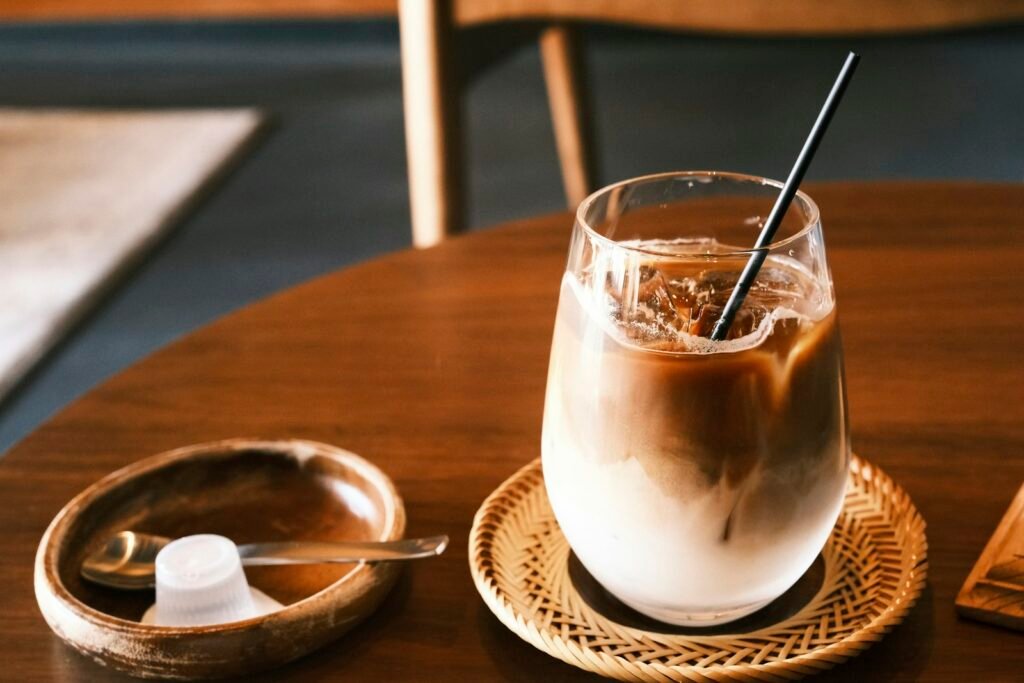
Coffee in Vietnam is not a quick takeaway. It is a reason to sit down on a tiny plastic stool, watch the street, and talk for an hour. The country grows a huge amount of coffee — most of it strong, chocolatey robusta from the Central Highlands — and over the years locals have invented their own ways to drink it.
This guide is built around what you actually say at the counter, so you can walk into any street café and order like a local.
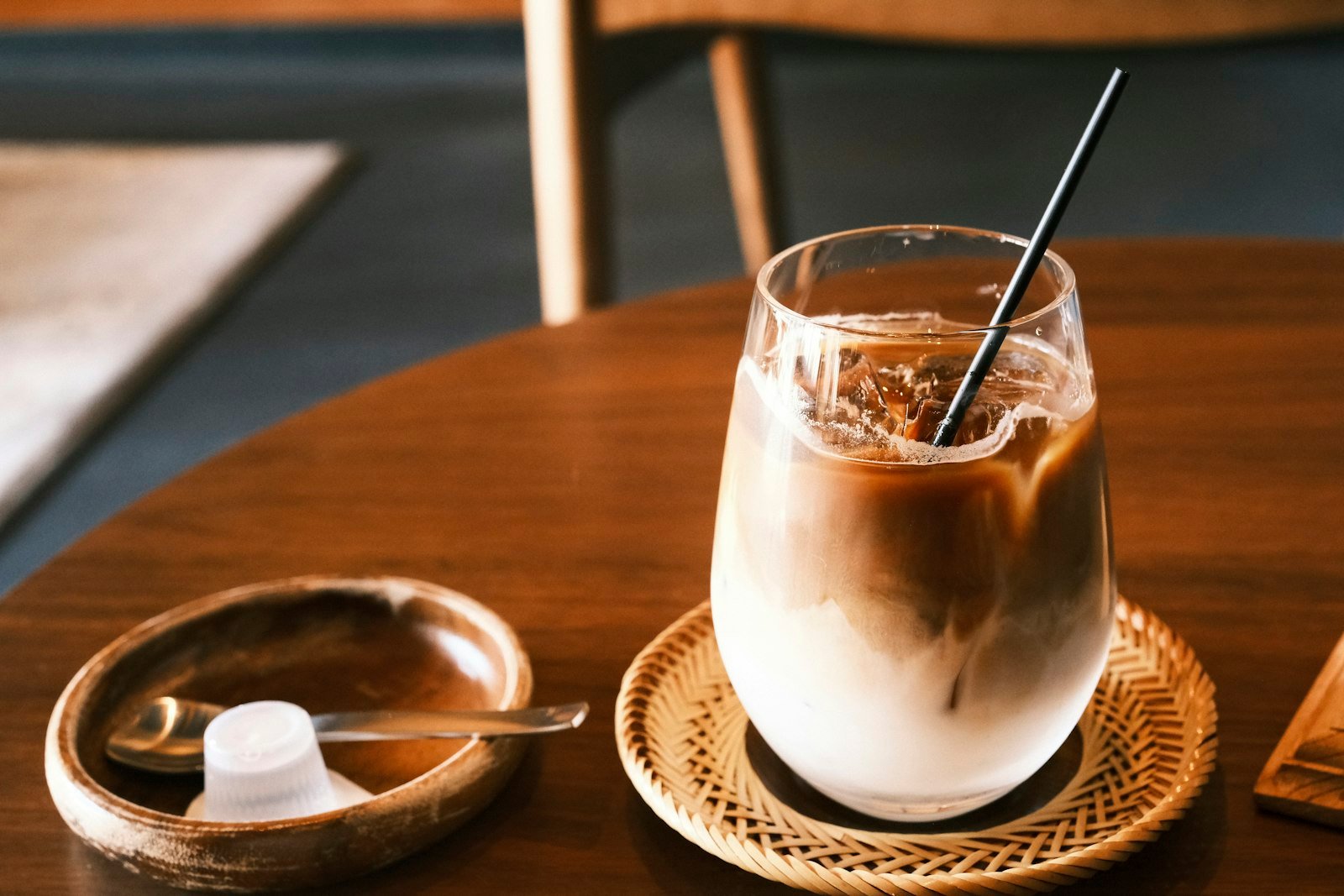
First, how Vietnamese coffee is made
Most cafés brew with a phin: a small metal filter that sits on top of the glass. Hot water drips slowly through coarse, dark-roasted coffee, which gives a thick, intense shot. You can wait for it to finish at your table — that slow drip is part of the ritual. A glass of trà đá (iced green tea) usually comes free on the side.
8 ways locals drink coffee — and how to order them
1. Cà phê đen đá — black iced coffee
Strong black coffee over ice, often with a little sugar already in. Bitter, bold and very refreshing in the heat.
2. Cà phê sữa đá (or nâu đá in Hà Nội) — iced milk coffee
The national favourite: phin coffee poured over sweetened condensed milk and ice. In the north people often call it nâu đá, “brown iced”. Stir well before you drink.
3. Bạc xỉu — more milk than coffee
A southern drink with lots of milk and just a splash of coffee. Perfect if you find Vietnamese coffee too strong.
4. Cà phê trứng — egg coffee
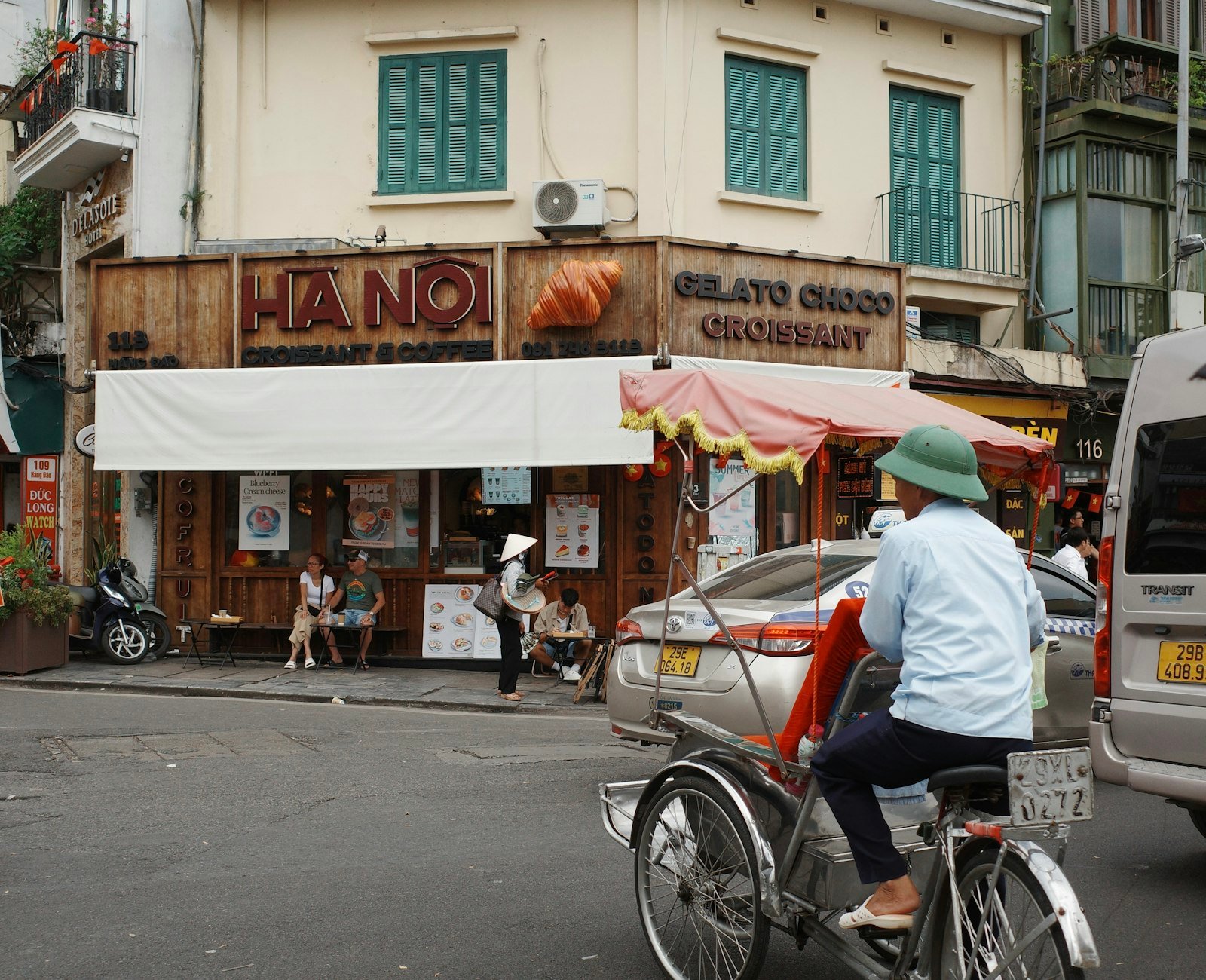
Hà Nội’s famous invention: egg yolk whipped with sugar and condensed milk into a thick, warm cream that sits on top of black coffee. It tastes more like dessert than eggs. Served hot in a cup of warm water, or iced.
5. Cà phê muối — salt coffee
From Huế: coffee topped with a lightly salted milk cream. The salt softens the bitterness and makes the coffee taste rounder. It has spread to cafés all over the country.
6. Cà phê cốt dừa — coconut coffee
Coffee blended with coconut cream and ice into a slushy, a bit like a tropical frappé. Great on a hot afternoon.
7. Sữa chua cà phê — yogurt coffee
Thick Vietnamese yogurt with a shot of coffee poured over it. Tangy, sweet and surprisingly good. You will find it most easily in Hà Nội.
8. Cà phê phin nóng — hot drip coffee
The simplest way: a phin dripping straight into a cup, with or without condensed milk. Ask for it on cooler days in the north or the Highlands.
Useful words at the café
| Vietnamese | Meaning |
|---|---|
| ít đường | less sugar |
| không đường | no sugar |
| không đá | no ice |
| nóng | hot |
| mang về | to take away |
| tính tiền | the bill, please |
Where Vietnamese coffee comes from
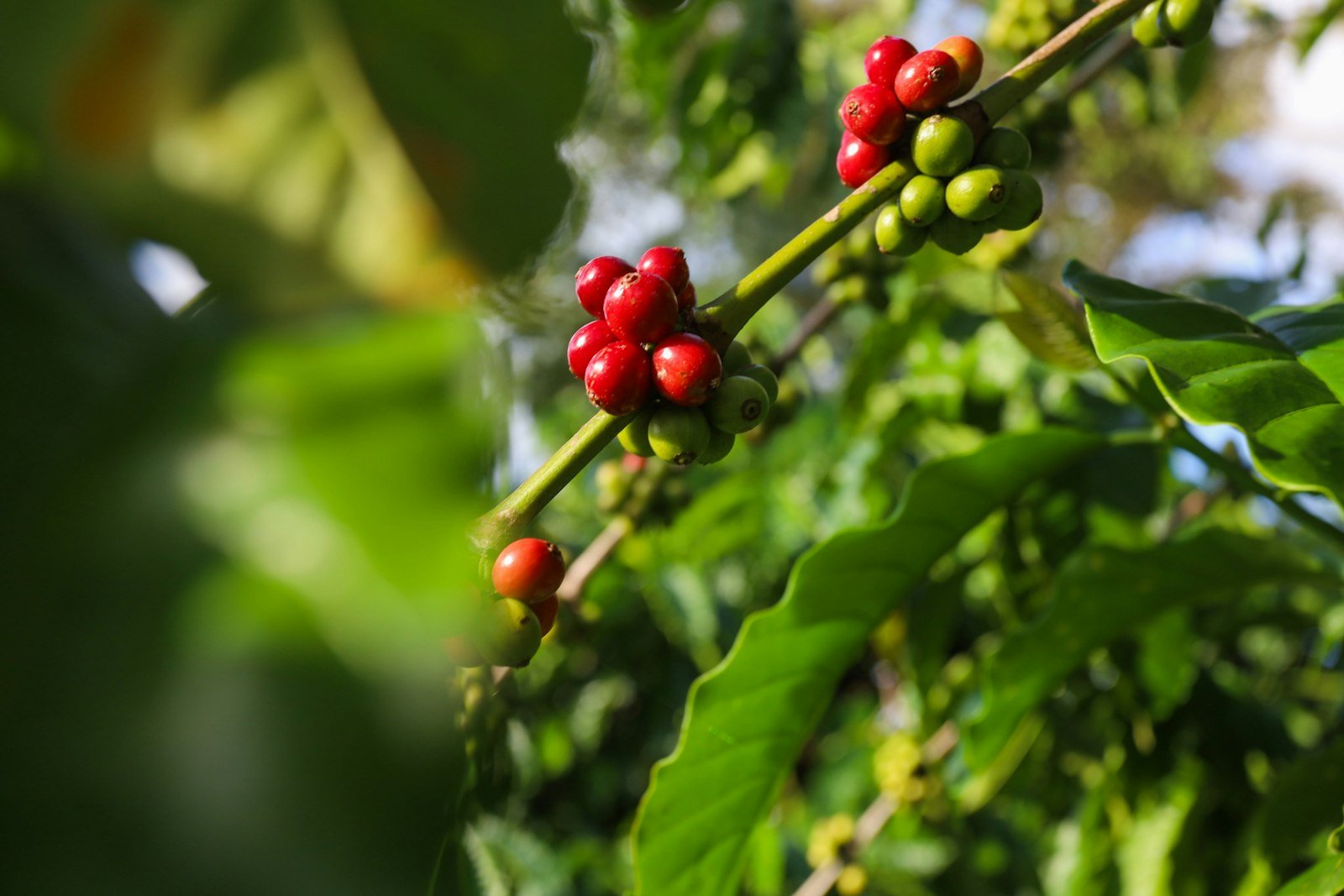
Most of Vietnam’s coffee grows in the Central Highlands, and the area around Buôn Ma Thuột is often called the country’s coffee capital. If you visit around the end of the year, you can see the harvest; in early spring the coffee trees flower white and the whole region smells sweet. A visit to a farm there is a lovely add-on for coffee lovers.
Coffee etiquette — the small things
- Take your time. Sitting for an hour over one coffee is completely normal.
- The free iced tea is refilled for nothing — just raise your glass.
- Pay when you leave, not when you order, at most street cafés.
- Low plastic stools face the street on purpose: people-watching is part of the experience.
Wondering what is a fair price? See our local prices page.
PLANNING A COFFEE TRIP?
Check your visa first
Whether you are heading to Hà Nội cafés or Highland coffee farms, check what your passport needs to enter Vietnam.
Read our visa guide →Plan your route with our 10-day Vietnam itinerary.