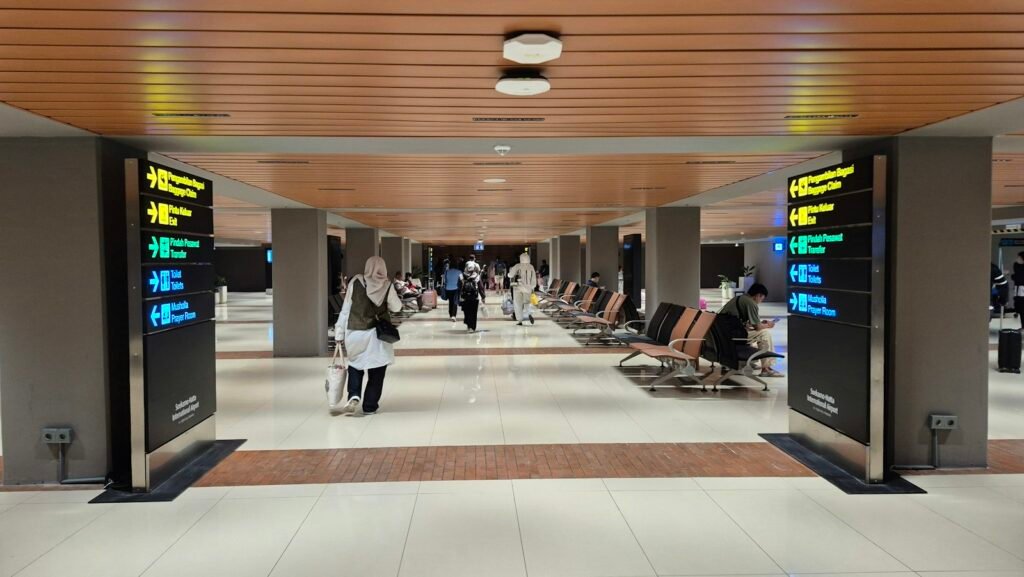
The first hour in a new country is when people feel most lost. This guide walks you through landing in Vietnam step by step, in the order it actually happens, so nothing at the airport surprises you.
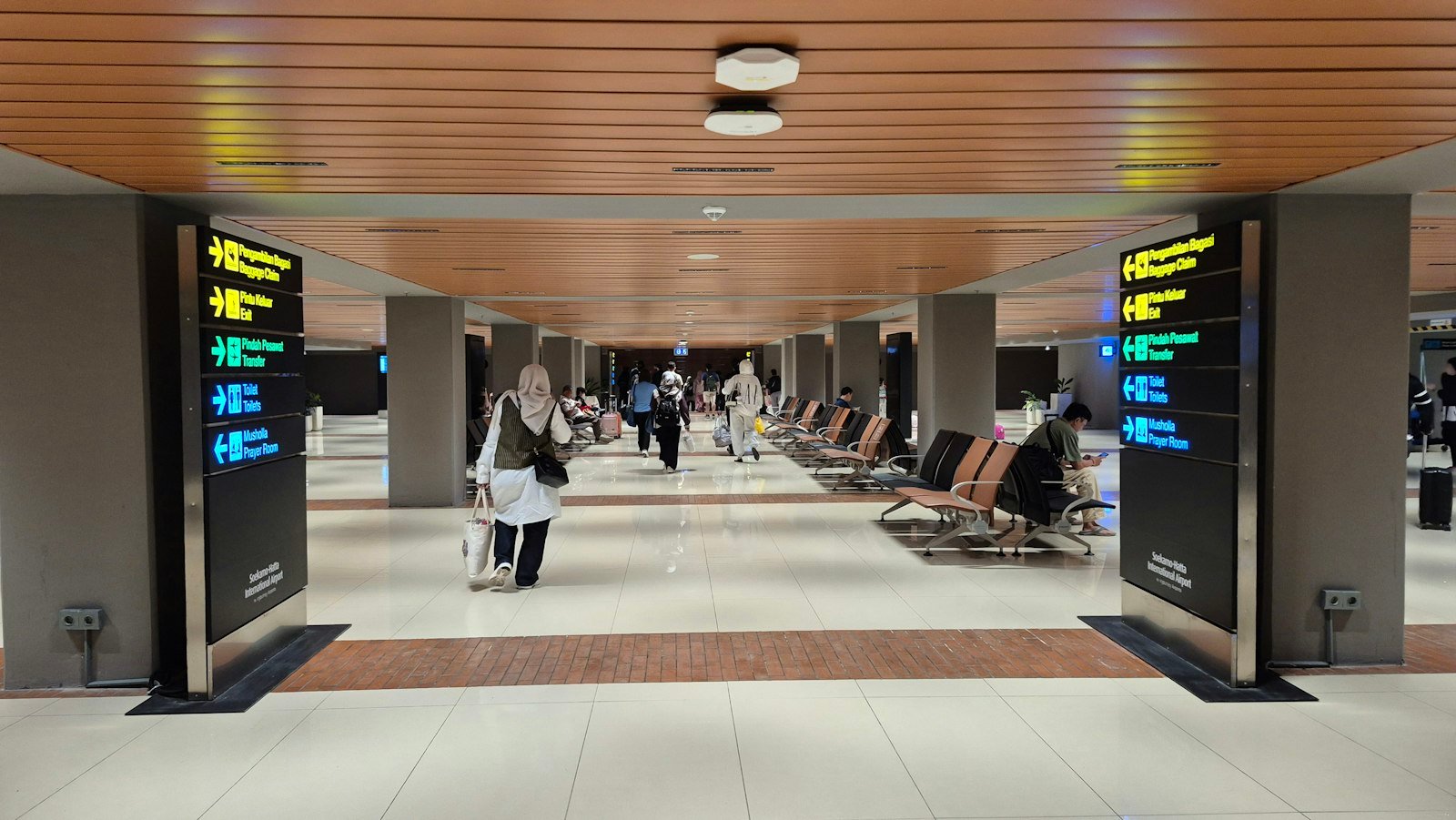
Before you fly: your arrival kit
- Passport valid for at least 6 months from your arrival date, with blank pages.
- E-visa printed out (and saved on your phone), unless your passport is visa-free. Not sure? Check our Vietnam visa guide.
- Hotel name and address for the first night — immigration and the arrival form may ask for it.
- Onward or return ticket — airlines and immigration sometimes ask to see it.
- A pen — paper forms still appear now and then.
The digital pre-arrival form
Since April 2026, Vietnam has been rolling out a digital arrival card. It was introduced first at Tân Sơn Nhất airport in Hồ Chí Minh City, and the system is designed to cover other entry points too.
- Fill it in on the official immigration portal, prearrival.immigration.gov.vn.
- It opens 72 hours before arrival; you cannot submit earlier.
- You will need your passport details, flight number, accommodation address and purpose of visit.
- You receive a QR code by email to show on arrival.
- Visitors who skip it are not refused entry, but processing at immigration is slower.
Rules are new and still changing — check the current requirement for your arrival airport a few days before you fly, and only use the official government portal.
Step 1: Immigration
Follow the signs for foreign passports. Hand over your passport, e-visa printout (if you have one) and, where asked, your arrival QR code. Officers rarely ask many questions; answer simply and politely. Check the entry stamp and the date you must leave before you walk away.
Step 2: Baggage and customs
Collect your bags and walk through customs. Most visitors have nothing to declare. Large amounts of cash, valuable items and goods for sale must be declared — check the current limits if you are carrying a lot of money.
Step 3: Data and cash
Arrivals halls have SIM counters and ATMs. If you did not buy an eSIM at home, this is the moment to get a local SIM — see our eSIM vs local SIM guide. Withdraw some đồng from a bank ATM; airport exchange counters are convenient but usually not the best rate. Our money guide has the details.
Step 4: Getting into town
| Airport | City centre | Typical journey |
|---|---|---|
| Nội Bài (Hà Nội) | Old Quarter | About 45–60 minutes |
| Tân Sơn Nhất (Sài Gòn) | District 1 | About 20–40 minutes, longer at rush hour |
| Đà Nẵng | City / beach | About 10–15 minutes; Hội An about 45 minutes |
- Ride apps have marked pick-up points at the main airports. The price is fixed before you start.
- Official taxi queues are fine; make sure the meter runs.
- Ignore anyone who walks up to offer you a ride inside the terminal.
- Airport buses run to the centre in the big cities and cost very little, if you are travelling light.
Common arrival problems — and fixes
- Name or passport number on the e-visa does not match: this is serious; check every detail when your e-visa arrives, long before you fly.
- Arriving at a different airport than on your e-visa: check which entry points your e-visa allows.
- No local money and no data: use the airport Wi-Fi to book a ride and pay by card in the app.
- Late-night arrival: book your first night’s transfer with the hotel in advance.
THE MOST IMPORTANT DOCUMENT
Make sure your visa is right
Most arrival problems start with the visa. Check what your passport needs and how to apply correctly.
Read our visa guide →