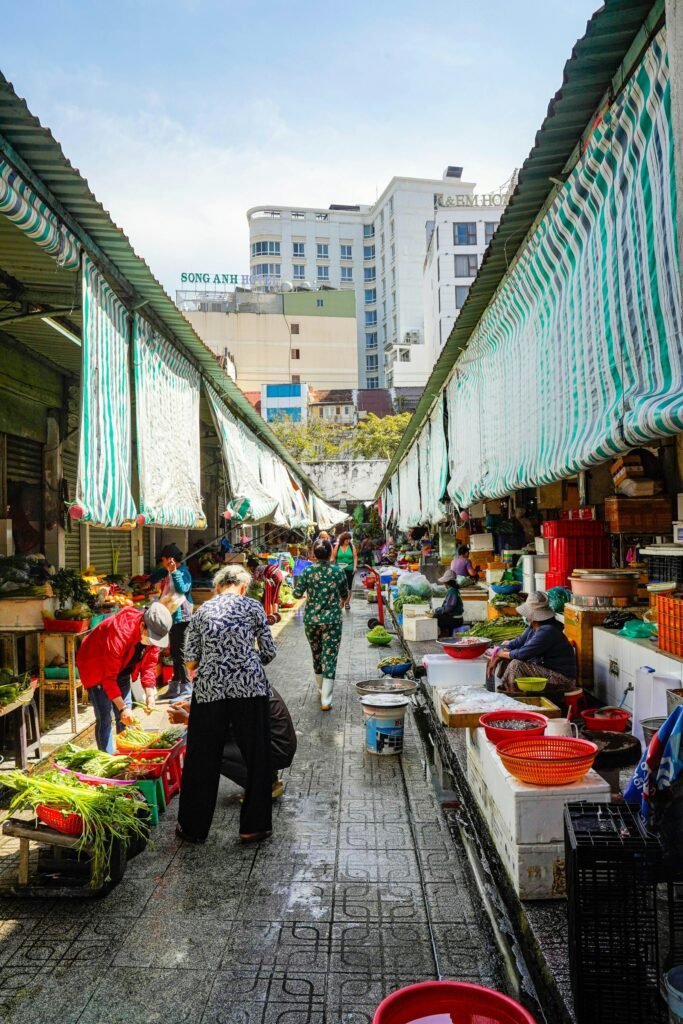
Most visitors spend their Sài Gòn days in District 1 and leave thinking it is just a big, busy city. Locals know it as a city of layers: war history, French streets, Chinese temples, hidden alley cafés and a food scene that never sleeps. This plan gives each layer its own day.
A note on names: the official name is Hồ Chí Minh City, but almost everyone calls it Sài Gòn. The city also reorganised its districts into wards in 2025, but people still use the old district names like “District 1” — so you will hear both.
Day 1: History and the colonial centre
- Morning — War Remnants Museum: a powerful, often difficult look at the war years. Allow two hours. Go early, before the crowds and the heat.
- Late morning — Independence Palace (also called Reunification Palace): the 1960s presidential palace, frozen in time, with war-room bunkers in the basement.
- Lunch: cơm tấm (broken rice with grilled pork) — the city’s signature lunch.
- Afternoon — the colonial quarter: the Central Post Office, the Notre-Dame Cathedral area (check whether the cathedral is open; it has had long restoration works), the Opera House and Nguyễn Huệ walking street.
- Evening: a rooftop drink for the skyline, or the walking street when it fills with families.
Day 2: Neighbourhoods and food
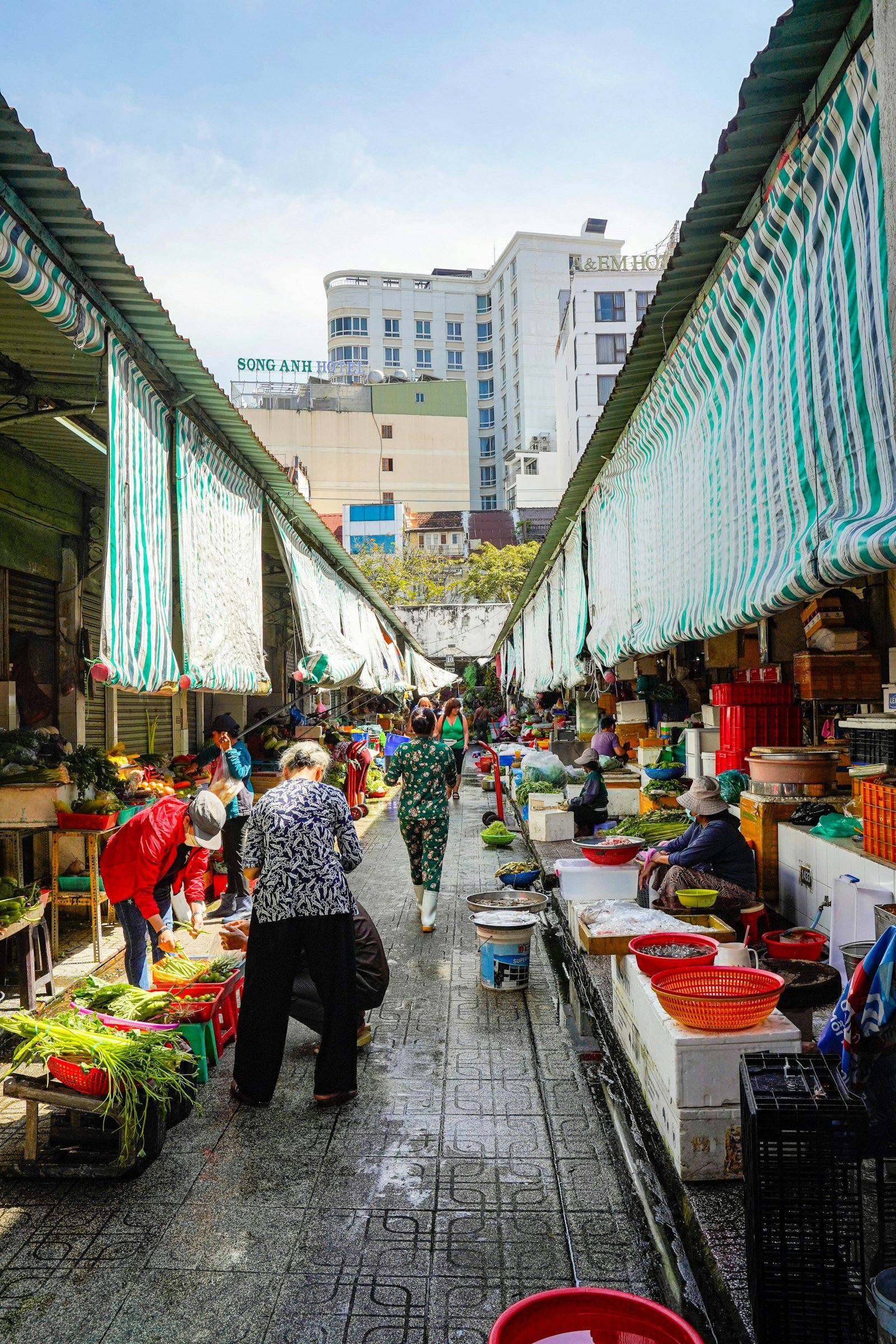
- Morning — the alleys: step off the main roads into the narrow hẻm (alleys) of District 3 or Phú Nhuận. This is where people live: tiny cafés, street vendors, kids playing.
- Late morning — Chợ Lớn: the old Chinese quarter, with Bình Tây Market and incense-filled temples such as Thiên Hậu.
- Lunch: hủ tiếu or dim sum in Chợ Lớn.
- Afternoon: a coffee break at an alley café, then a nap — afternoons are hot.
- Evening — a street-food crawl: follow the crowds to a busy food street and try bánh xèo, grilled seafood and bánh mì. See our Vietnamese food guide for what to order.
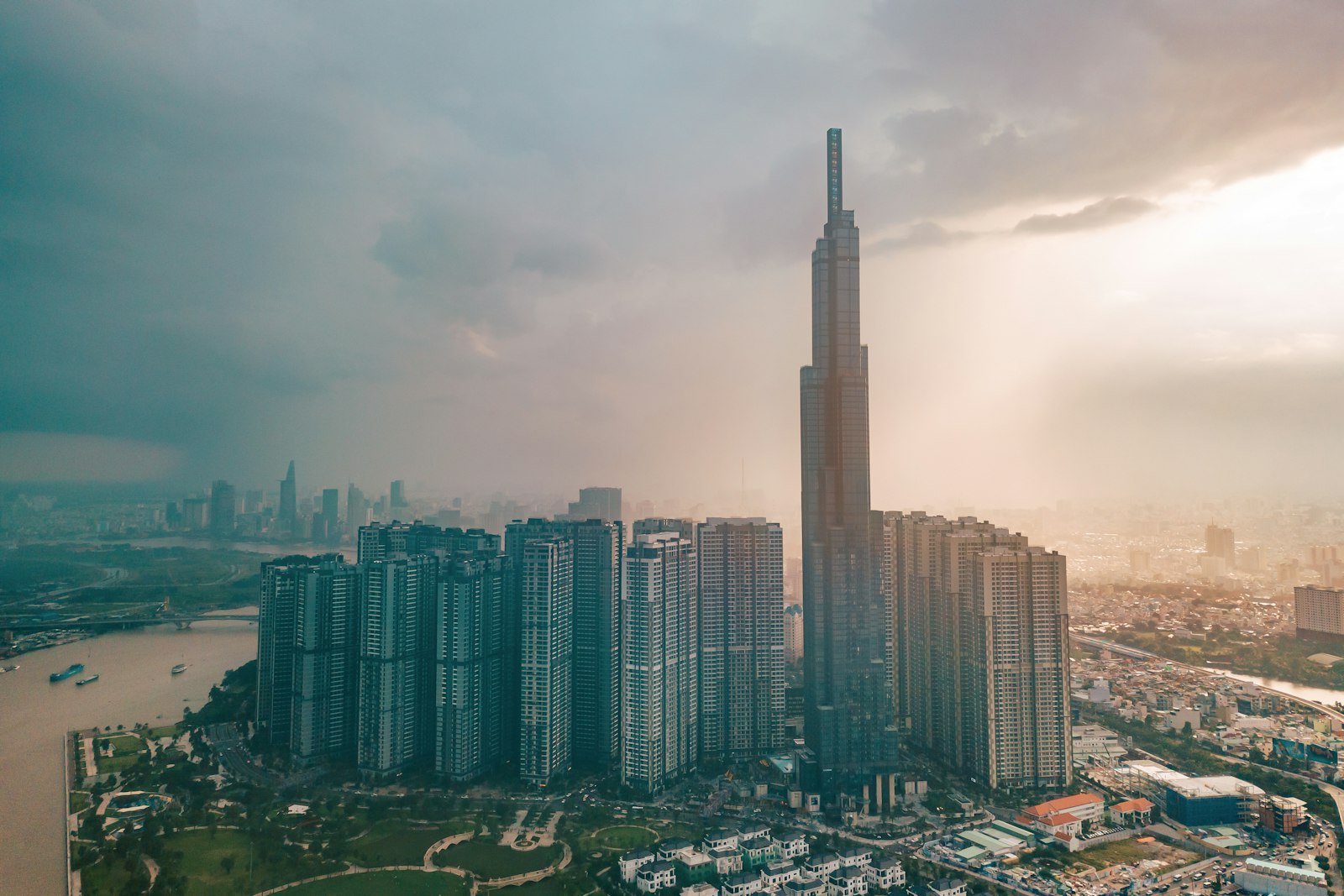
Day 3: Choose a day trip
| Trip | What you see | Time |
|---|---|---|
| Củ Chi tunnels | The underground tunnel network used during the war; you can crawl through a section | Half day |
| Mekong Delta | Boats through canals, orchards, a village workshop; floating markets if you stay overnight | Full day or overnight |
| Cần Giờ mangroves | A green escape from the city: mangrove forest and the coast | Full day |
Tip: the Mekong Delta is best as an overnight trip if you have the time — the floating markets are early in the morning.
Practical tips for Sài Gòn
- Getting around: use a ride app; distances are bigger than they look and the heat is real.
- Phone safety: keep your phone away from the roadside — snatching from passing motorbikes happens here. Read is Vietnam safe?
- Rain: in the wet season (roughly May–November), expect a heavy shower most afternoons. Plan indoor time then.
- Where to stay: District 1 for first-timers; District 3 for a more local feel nearby.
Want to combine Sài Gòn with the rest of the south? Our 7-day itineraries include a southern week with the Mekong and Phú Quốc.
LANDING IN SÀI GÒN?
Check your visa and arrival form
Tân Sơn Nhất airport now uses a digital pre-arrival form. Make sure your visa and paperwork are in order before you fly.
Read our visa guide →