Most safety guides list every possible danger with the same weight, which makes a trip sound scarier than it is. This one ranks the risks the way a local would — from the things that actually happen to visitors every day, down to the things you will probably never see.
The risk ladder: from most likely to least likely
1. Traffic (very likely to affect you)
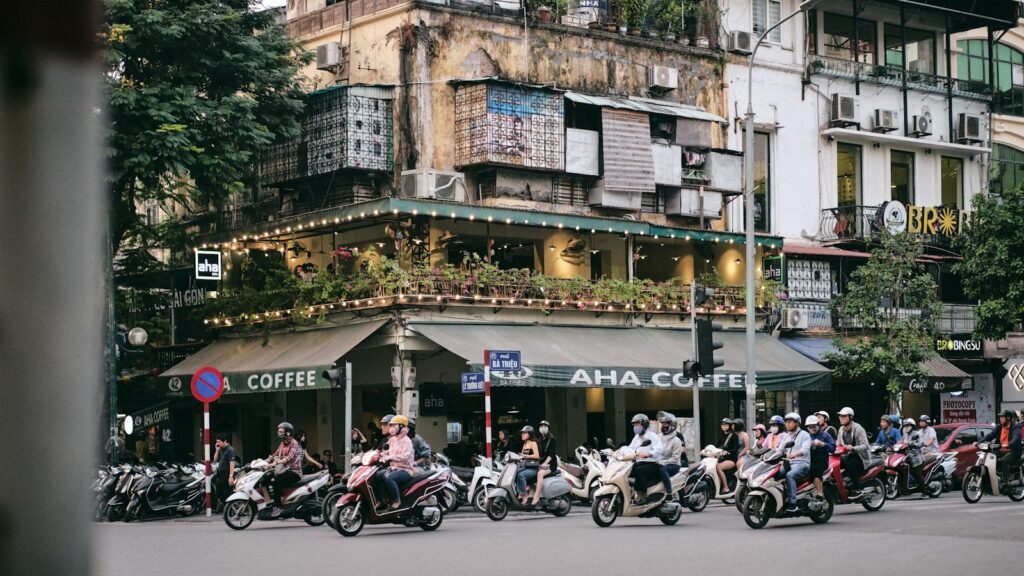
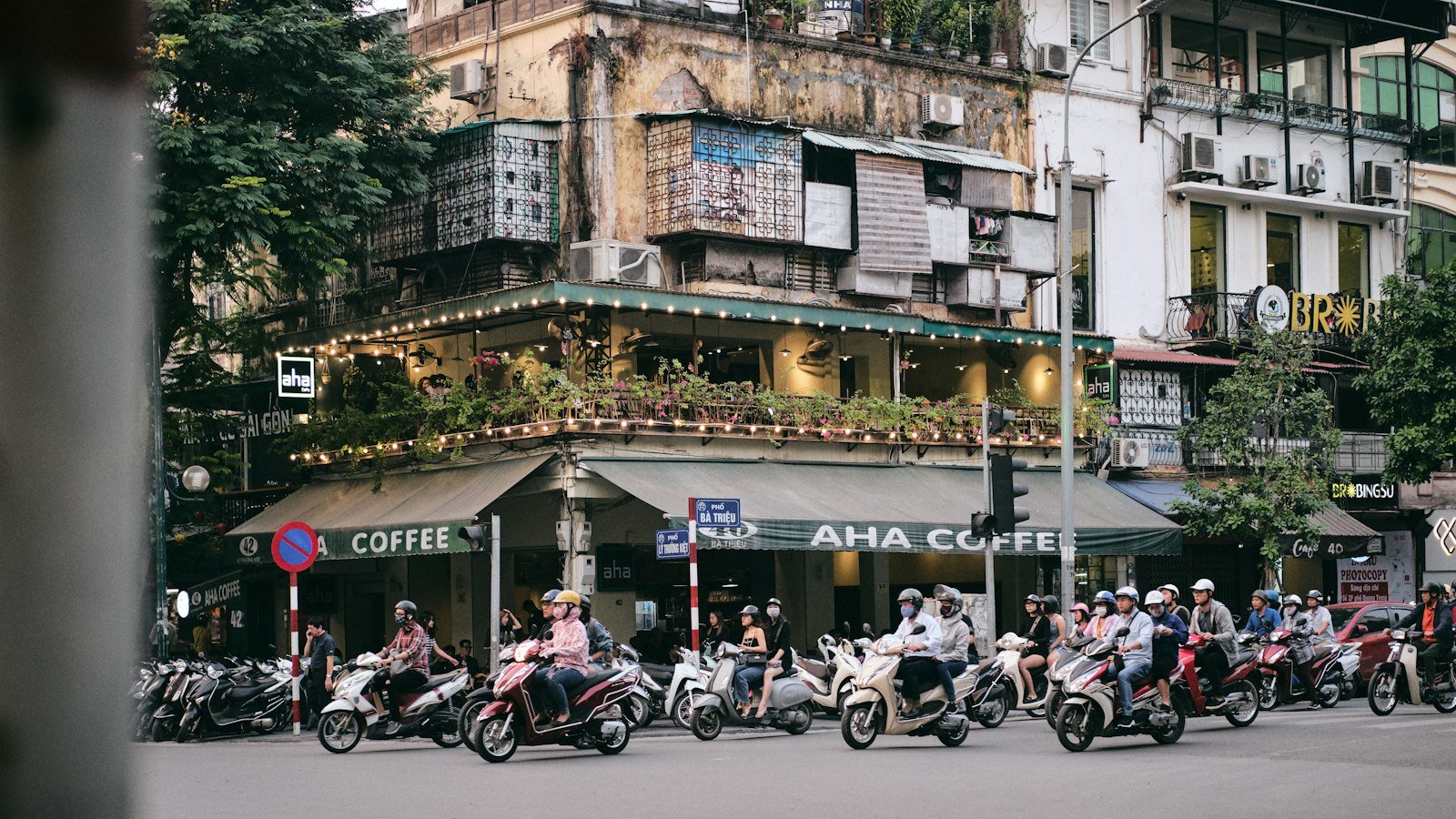
Millions of motorbikes, few traffic lights in some areas, and pavements used for parking: for most visitors, traffic is the single biggest risk.
- Crossing the road: walk at a slow, steady pace and do not stop suddenly or run. Riders judge where you will be and go around you.
- Riding a motorbike yourself: only if you are experienced and properly licensed. Foreign riders need their home licence plus a 1968-convention International Driving Permit with the motorbike category — and travel insurers often refuse claims without it.
- Always wear a helmet on any motorbike, including a Grab bike. It is the law, and drivers carry a spare.
2. Bag and phone snatching (likely in big cities)
In Hà Nội and especially Hồ Chí Minh City, thieves on motorbikes sometimes grab phones and bags from people walking near the road or sitting on a bike.
- Keep your phone in your hand on the side away from the road, or in a front pocket.
- Wear bags across your body, on the side away from traffic.
- Do not hold your phone out on the back of a motorbike taxi.
3. Overcharging (very common, but low-stakes)
Taxis with fast meters, cyclo prices that change at the end, restaurants with no menu. It costs money, not safety. Read our full guide to tourist scams in Vietnam.
4. Health: heat, food and water (common)
- Tap water is not for drinking. Use bottled or filtered water; ice in restaurants and cafés is usually made from purified water.
- Stomach bugs happen, mostly in the first days. Eat at busy stalls where food is cooked fresh in front of you.
- Heat and sun are underestimated. Drink plenty of water and plan outdoor sightseeing for mornings and late afternoons.
- Mosquitoes: dengue fever exists in Vietnam, especially in the rainy season. Use repellent, particularly at dawn and dusk.
- Animals: do not pet stray dogs or cats; rabies is present.
5. Weather (seasonal)
Typhoons and floods can hit the central coast from about September to December, and northern mountain roads can be affected by landslides after heavy rain. Check forecasts and keep plans flexible. See the best time to visit Vietnam.
6. Violent crime (rare)
Violent crime against tourists is uncommon. As anywhere, avoid getting very drunk alone late at night, do not get into arguments over money, and use a ride app to get home.
Is Vietnam safe for…
Solo travelers?
Yes. Vietnam is very popular with solo travelers, and hostels and tours make it easy to meet people.
Women traveling alone?
Generally yes. Street harassment is less common than in many countries. Normal precautions apply: watch your drink in bars, use ride apps at night, and choose well-reviewed accommodation.
Families with children?
Yes — children are welcomed warmly everywhere. The main concerns are traffic, heat and food hygiene. Car seats are rare, so bring a travel seat if it matters to you.
Emergency numbers
| Service | Number |
|---|---|
| Police | 113 |
| Fire | 114 |
| Ambulance | 115 |
Operators may not speak English, so ask your hotel or a local to help if you can. Save your hotel’s address in Vietnamese on your phone.
Travel insurance: the safety tool most people skip
Private hospitals in Vietnam are good but not cheap, and a serious accident can cost thousands of dollars, especially if you need evacuation. Choose insurance that covers medical treatment and — if you plan to ride — motorbikes, and check the licence conditions.
ONE LESS THING TO WORRY ABOUT
Get your entry sorted early
Arriving with the right visa (or confirming you are visa-free) is one of the easiest ways to start your trip stress-free.
Read our visa guide →