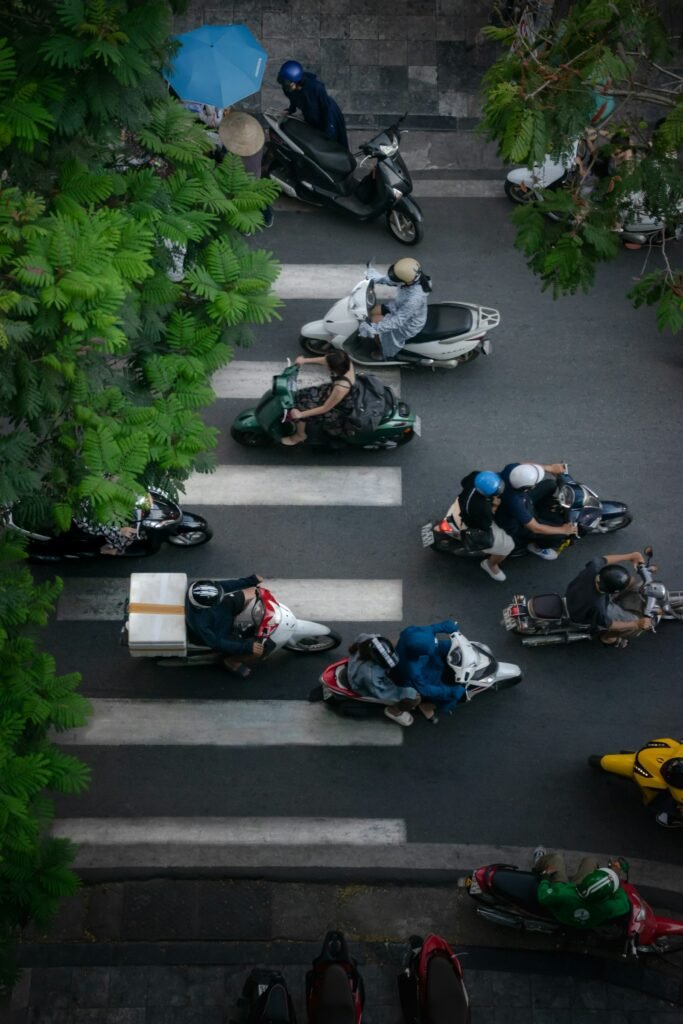
Most scam lists online are a long jumble of tricks. That is not how it feels on the ground. Scams in Vietnam show up at predictable moments in a trip — the airport, the first taxi, the first walk through an old town — and then mostly disappear once you know the rhythm.
So this guide follows your trip in order, from the moment you book at home to your last night out. For each stage you get what to watch for, what locals do instead, and a short Vietnamese phrase that changes how people treat you.
Stage 1: Before you fly — booking online
The first trick can happen before you even pack. Look-alike websites are designed to appear official when they are not.
- Visa look-alikes. The government’s own e-visa portal is evisa.gov.vn. Some sites copy its colours and logos to look like the government. Using a private visa service is perfectly fine — many travelers do — but a trustworthy one tells you clearly that it is a private company and shows the full price before you pay. See our Vietnam visa guide for how the process works.
- Fake hotel pages. Be careful with hotel “pages” on social media that ask for a bank transfer. Book through a major booking platform or the hotel’s own website, and pay by card where you can.
- Tour copycats. Popular tour brands are often copied by shops with almost the same name. Check reviews of the exact address, not just the name.
Stage 2: Landing at the airport
Airports are where tired travelers make quick decisions. Two things are worth slowing down for:
- SIM cards and eSIMs. Airport kiosks are convenient but often charge more than shops in town for the same data. If you need data straight away, compare a couple of kiosks or buy an eSIM before you fly.
- Drivers who approach you. Ignore anyone who walks up offering a ride. Use the official taxi queue, a ride-hailing app such as Grab, or a transfer you booked in advance.
- Money exchange. Airport rates are usually weaker. Change only a small amount, or use an ATM inside the terminal.
Stage 3: Getting around town
Transport is where most visitors lose money — and where it is easiest to fix.
Taxis with a “special” meter
Some taxis copy the colours and logos of big, reliable companies with a slightly different name or phone number on the door. Others have meters that race ahead. Ride apps solve almost all of this, because the price is fixed before you get in.
Motorbike taxis and cyclos
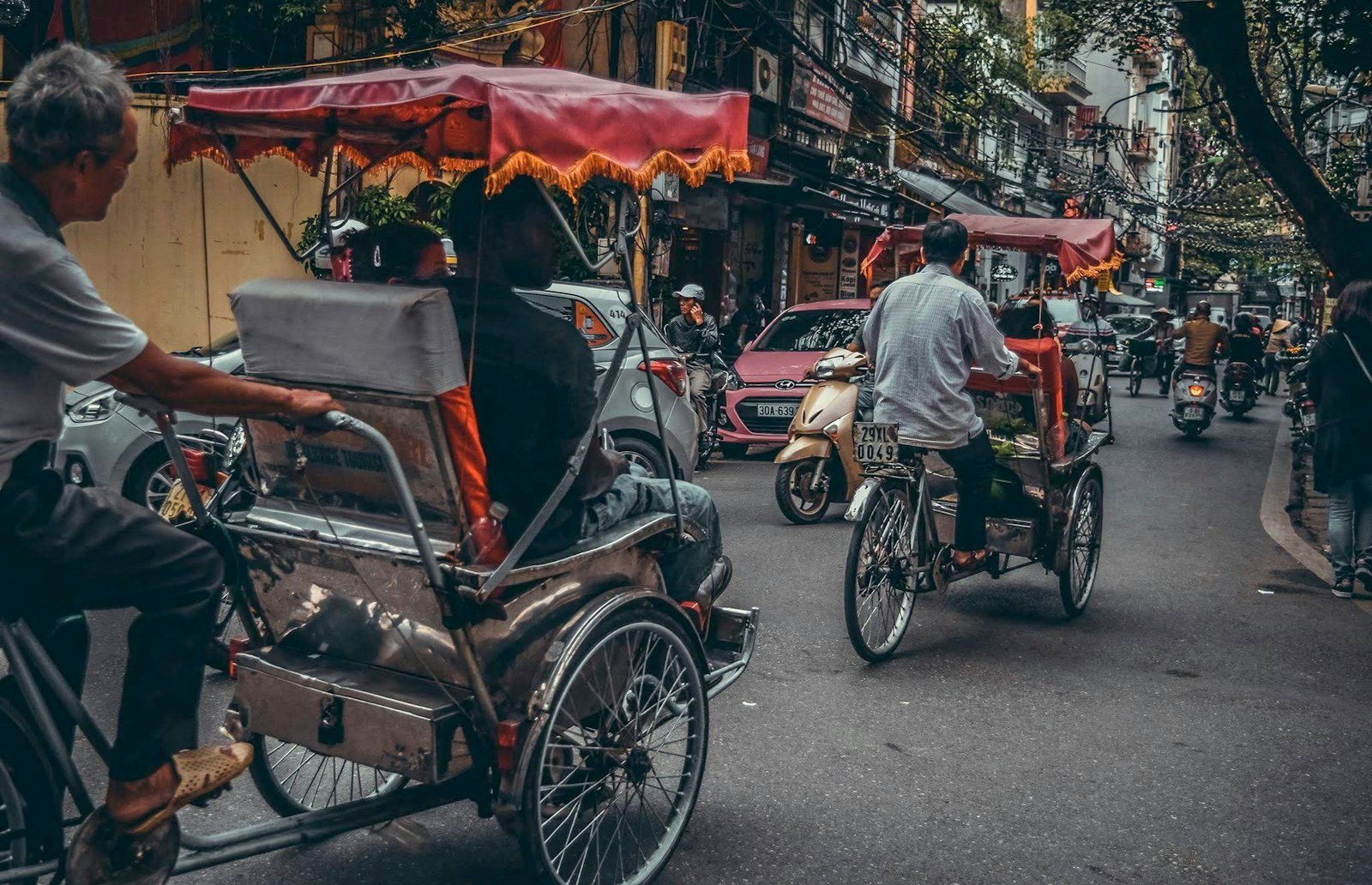
The classic trick is a price that changes at the end: “fifty” becomes 50 dollars, not 50,000 đồng, or the price was “per person”. Agree on the full amount, in đồng, before you sit down — and write it on your phone so there is no confusion.
Renting a motorbike
Some rental shops claim you damaged a bike and keep your deposit. Before you ride off, take a video walking all the way around the bike, including existing scratches, and ask for a written agreement. Leaving your passport as a deposit is common, but a shop that respects you will usually accept a cash deposit instead.
Stage 4: Walking the old town
Old quarters in Hà Nội, Hội An and Sài Gòn are full of friendly people — and a few practised routines aimed at first-timers.
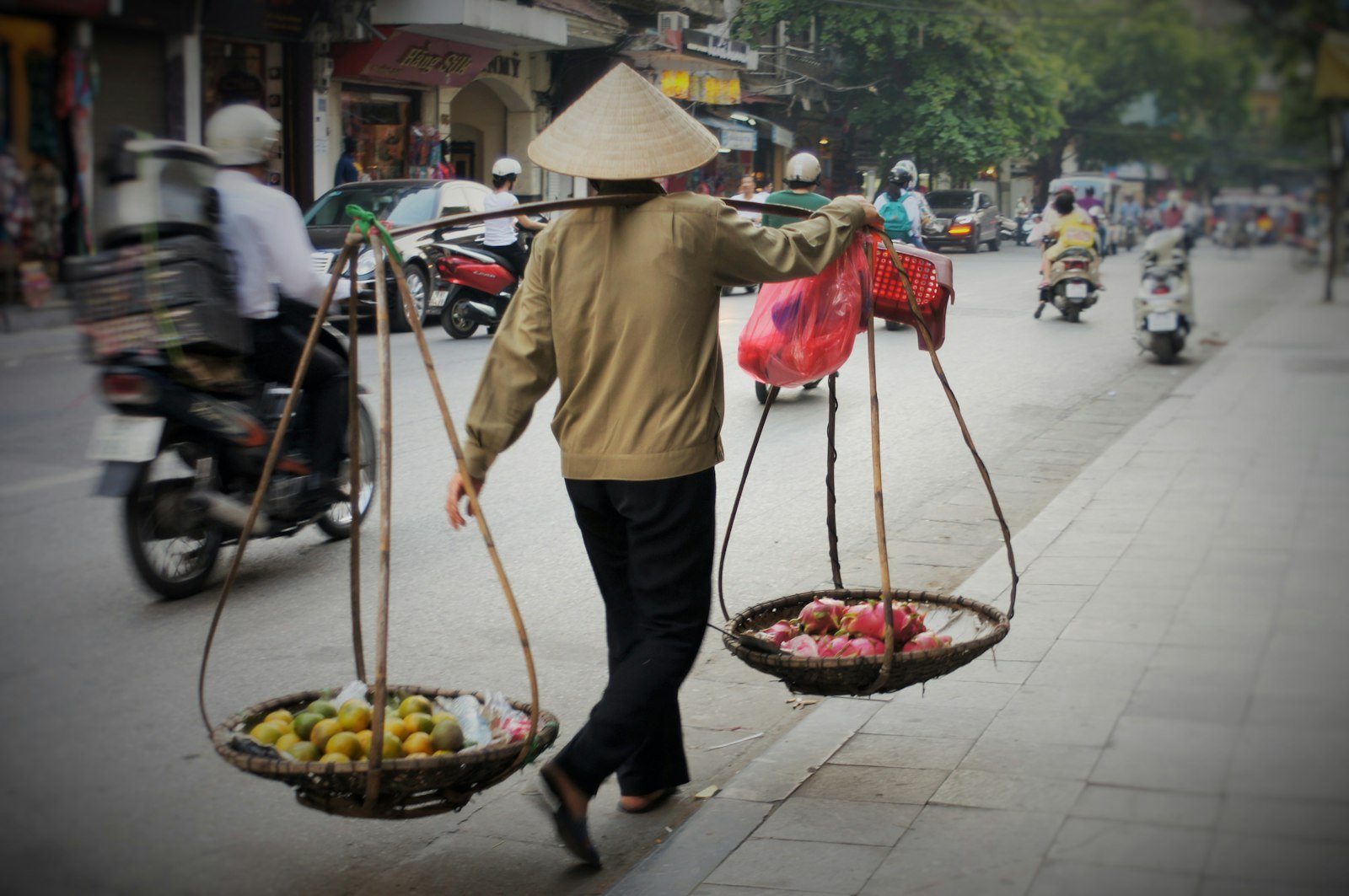
- The fruit photo. A vendor offers to let you try on her shoulder pole for a photo, then asks you to buy a bag of fruit at several times the usual price. If you want the photo, agree on a price first.
- Shoe shiners who start without asking. They may begin cleaning or “fixing” your shoes and then charge a lot. Keep walking and say a firm, friendly no.
- “Free” gifts. A bracelet or flower placed in your hand is rarely free. Hand it back with a smile.
Stage 5: Eating and shopping
- No menu, no prices. Seafood and street restaurants without price lists can charge tourists extra. Ask to see a menu, or ask the price before you order. Seafood sold by weight: confirm the price per kilo and watch it being weighed.
- The “wrong” note. Vietnamese banknotes have lots of zeros, and some look alike. The 20,000 and 500,000 notes are both blue; the 10,000 and 100,000 can also be confused. Count your money out note by note, and keep large notes separate from small ones.
- Short change. Some sellers count slowly and hope you will not check. Do not walk away until you have counted it.
Not sure what is fair? Our Vietnam prices page lists what locals usually pay for everyday things like phở, coffee and a Grab ride.
Stage 6: Nights out
Most bars and karaoke places are honest. The ones to avoid are where someone you just met on the street insists on taking you to “a great bar”, or where drinks are bought for staff without you asking. Check prices before you order, keep an eye on the bill, and pay as you go if you can.
- Keep your phone in your hand or a front pocket near the road — bag and phone snatching from passing motorbikes happens in big cities.
- Use a ride app to get home late at night.
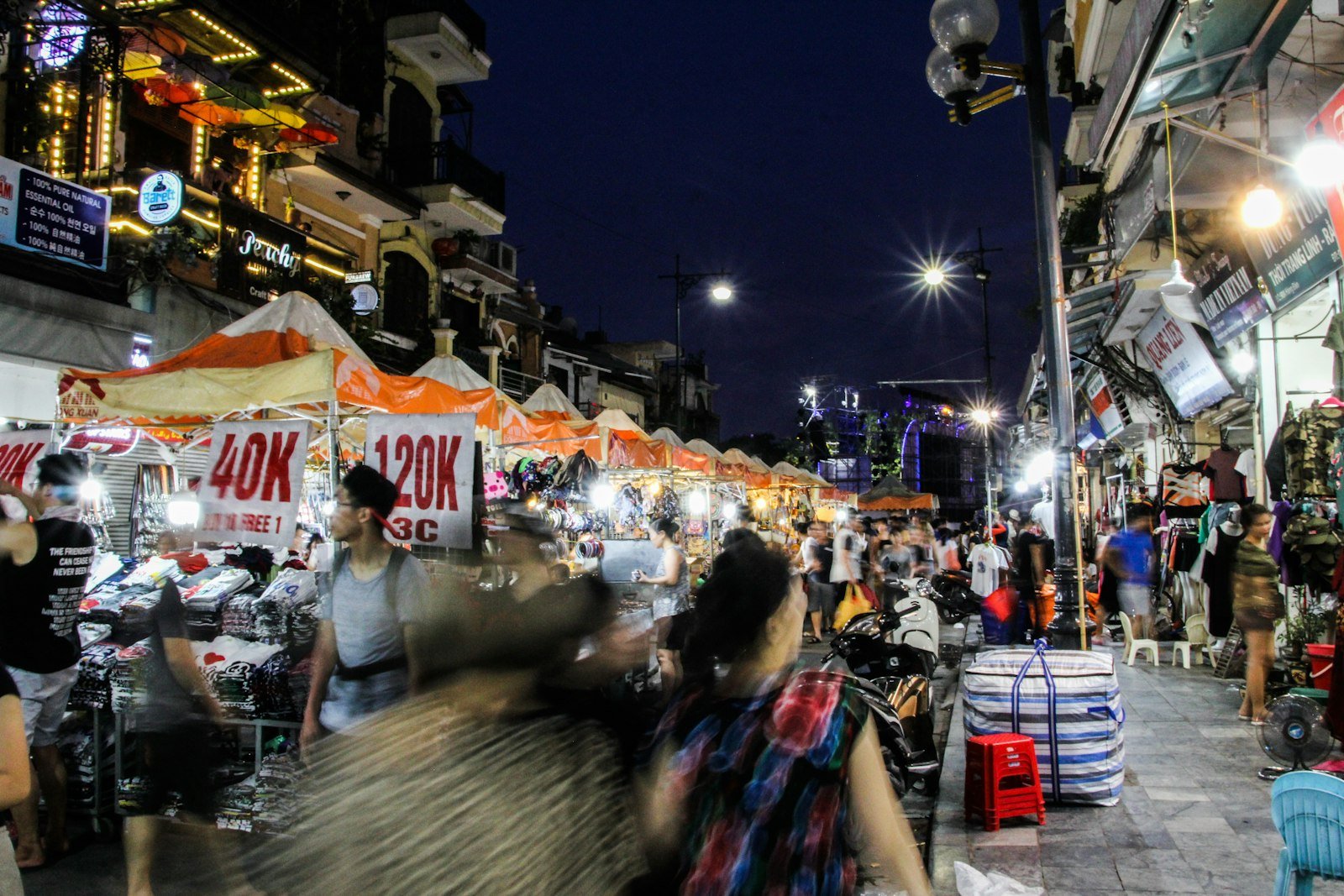
Stage 7: Day trips and tours
- Price is not the whole story. A very cheap Hạ Long Bay or Mekong tour often makes up the difference with long shopping stops and extra fees on board. Ask what is included: entrance tickets, lunch, kayaks, transfers.
- “Closed today.” If a stranger tells you a sight is closed and offers to take you somewhere better, check yourself before changing plans.
- Bus tickets. Buy from the bus company’s own office, website or app, and ask about luggage fees when you book.
Things that look like scams — but are not
Being careful is smart; being suspicious of everyone ruins a trip. These are normal in Vietnam:
- Small “tourist prices” at markets. Paying a little more than a local for a souvenir is common. A friendly bit of bargaining is fine; getting angry over a few thousand đồng is not worth it.
- Holiday surcharges. Around Tết (Lunar New Year), many restaurants, hotels and drivers openly add a surcharge. It is customary, not a trick.
- Deposits. Hotels and rental shops often ask for a deposit. That is normal — just get a receipt.
- People who are simply friendly. Many Vietnamese people will want a photo with you or a chat to practise English. Not everyone wants something.
If it happens to you
- Stay calm and polite. Raising your voice rarely helps in Vietnam; a calm, firm tone does.
- Pay the amount you agreed and walk away. For small sums, letting it go is often the best choice.
- For theft or anything serious, ask your hotel for help and call the police on 113.
- Leave an honest review so the next traveler knows.
✔ Ask the price before you eat, ride or take a photo
✔ Agree the total in đồng — and write it down
✔ Use a ride app when you can
✔ Count your money and your change
✔ Keep your phone away from the roadside
STILL PLANNING?
Sort out your visa before you fly
Most travelers need an e-visa for Vietnam. Check the rules for your passport and how to apply.
Read our visa guide →Planning your dates too? Read the best time to visit Vietnam, region by region.