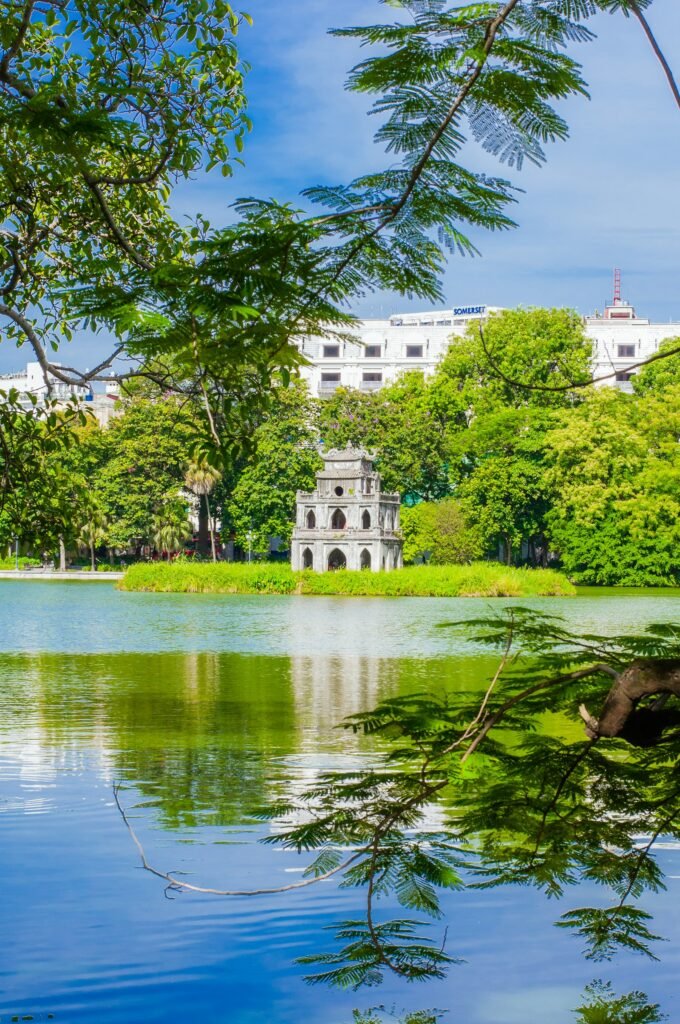
“North or south?” is one of the first questions people ask when planning Vietnam, and most answers simply compare the two lists of sights. That misses the point. The two halves of the country feel different — in pace, food, weather and even how people talk to you. The right choice depends more on what kind of traveler you are than on any checklist.
So instead of a sight-by-sight comparison, this guide helps you match the region to you.
The feel of each region, in one paragraph
The north: older, cooler, more dramatic
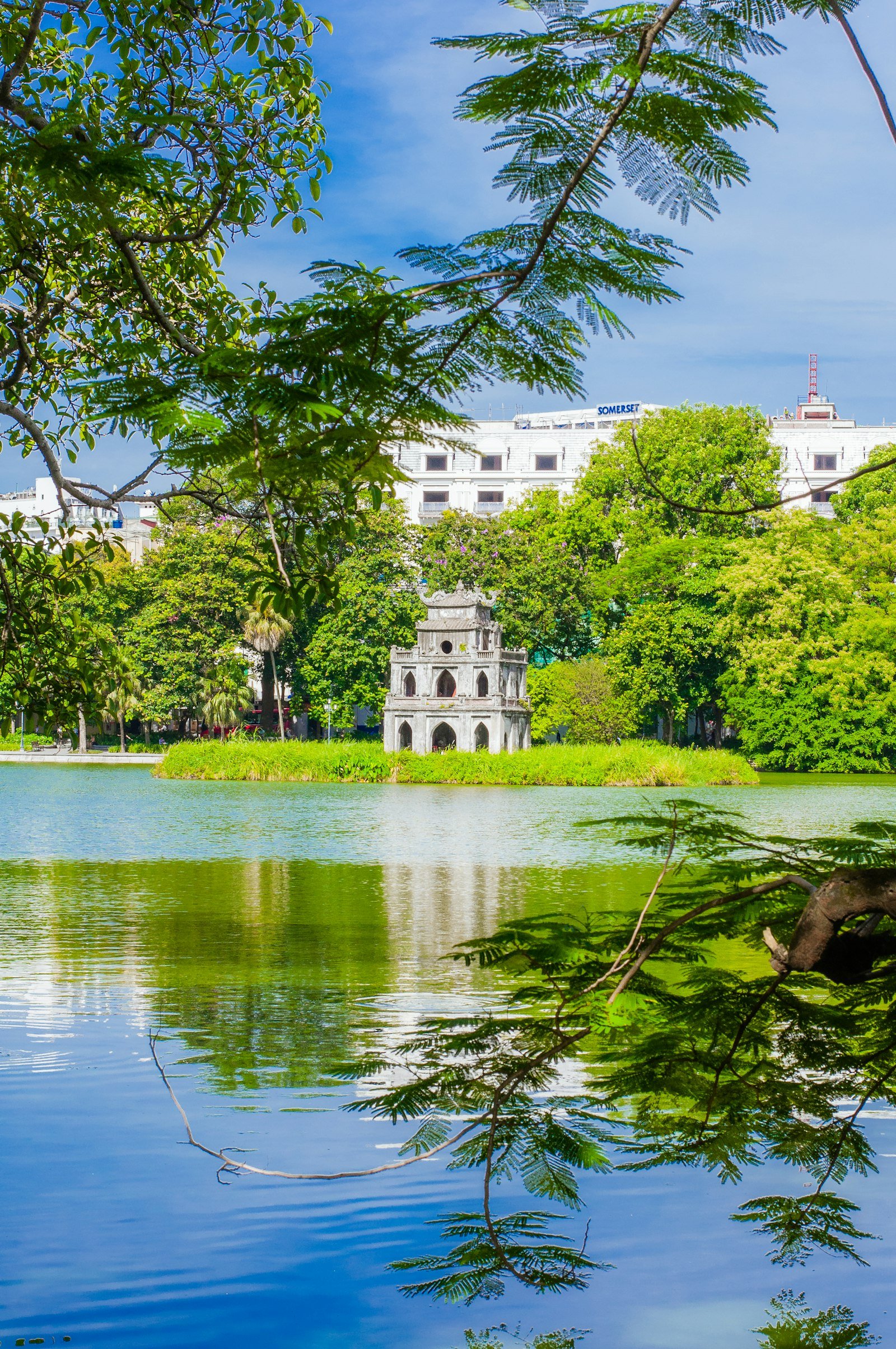
Hà Nội is a thousand-year-old capital with lakes, narrow old streets and a slightly reserved, traditional feel. Around it you find the country’s most famous scenery: the limestone islands of Hạ Long Bay, the river valleys of Ninh Bình, and the mountains and rice terraces of Sa Pa and Hà Giang. It has real seasons — including a cool, grey winter.
The south: warmer, faster, more open
Hồ Chí Minh City (still called Sài Gòn by most locals) is the country’s biggest, busiest and most modern city, with a very open, easy-going street life. A few hours away is the Mekong Delta, a world of rivers, canals, fruit orchards and floating markets, and then the beaches of Phú Quốc and the south coast. It is hot all year, with a wet season and a dry season.

Which traveler are you?
Read the statements below and count which column fits you better.
| If this sounds like you… | Go |
|---|---|
| You want “wow” landscapes: mountains, karst islands, rice terraces | North |
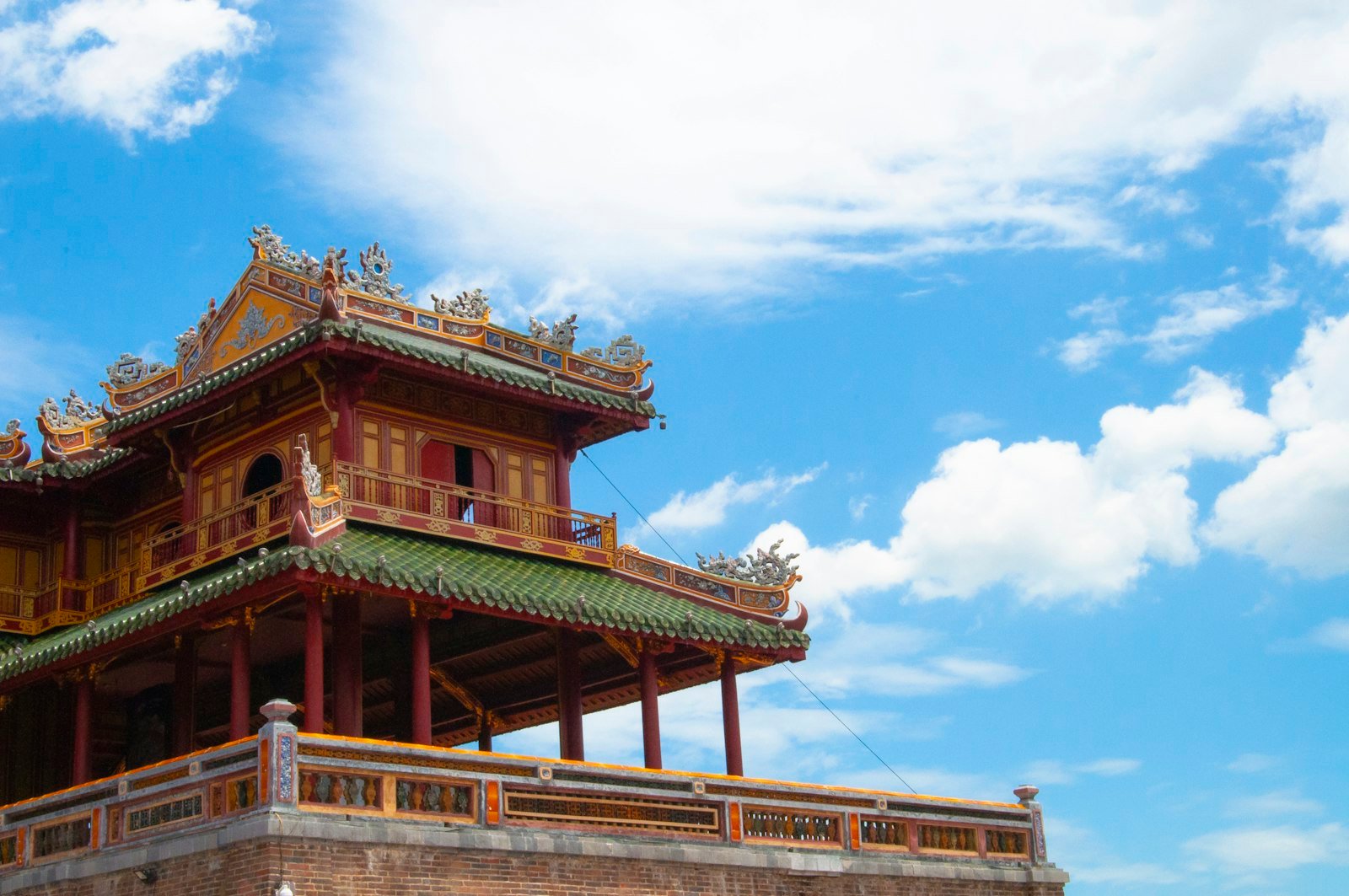
| You love history, temples and old architecture | North (and Huế in the centre) |
| You prefer cooler weather and hate humidity | North (Oct–Apr) |
| You want to trek, ride a motorbike loop or sleep in a homestay | North |
| You want guaranteed warm weather and beaches | South (Dec–Apr) |
| You like big-city energy, rooftop bars and nightlife | South |
| You want to see everyday river and village life | South (Mekong Delta) |
| You like sweeter food and endless fruit | South |
| You want a bit of everything in a short trip | Centre (Đà Nẵng, Hội An, Huế) |
The things that really differ
Weather
This is the biggest practical difference. The north has four seasons and can be cold from December to February. The south stays around 30°C all year and simply switches between dry (roughly December–April) and wet (roughly May–November). Our month-by-month weather guide covers this in detail.
Food
Northern cooking is lighter and more savoury — Hà Nội is the home of phở and bún chả. Southern food is sweeter, richer and comes with mountains of fresh herbs, plus the best tropical fruit in the country. Neither is better; they are just different, and many Vietnamese people have strong opinions about which phở is “correct”.
People and pace
Generalising a little: northerners tend to be more formal at first and warm up once they know you; southerners tend to be chattier and more relaxed from the start. Both are welcoming. The south also feels faster and more commercial, while the north feels more traditional.
Getting around
In the north, the best sights are spread out and often involve a few hours on the road (Hạ Long, Sa Pa, Hà Giang). In the south, most highlights are within a short drive or flight of Sài Gòn, which makes it easier with limited time.
The centre: the tie-breaker
If you cannot decide, fly into Đà Nẵng. Within an hour you have the beach, the lantern-lit old town of Hội An, and the imperial city of Huế. It mixes northern history with southern-style beaches, and the airport has direct flights to both Hà Nội and Sài Gòn. The one catch: the central coast is wettest from about September to December.
If you only have…
- 7 days: pick one region. North (Hà Nội, Ninh Bình, Hạ Long) or Centre (Đà Nẵng, Hội An, Huế). Trying to see north and south in a week means spending it in airports.
- 10 days: two regions, connected by a short flight. North + Centre is the classic; Centre + South works well in the northern winter.
- 14 days or more: all three, travelling north to south or the other way round.
Do not forget: the Central Highlands
Between the centre and the south lies a region most first-timers skip: the Central Highlands, around Đà Lạt and Buôn Ma Thuột. It is cooler than the coast, green and hilly, and it is Vietnam’s coffee heartland. If you have already seen the “big names”, it is a refreshing third option.
WHICHEVER YOU CHOOSE
Check your visa before you book
Your entry rules are the same whether you land in Hà Nội, Đà Nẵng or Sài Gòn. Check what your passport needs and how long you can stay.
Read our visa guide →Next, compare what your trip will cost in our guide to Vietnam travel costs per day.