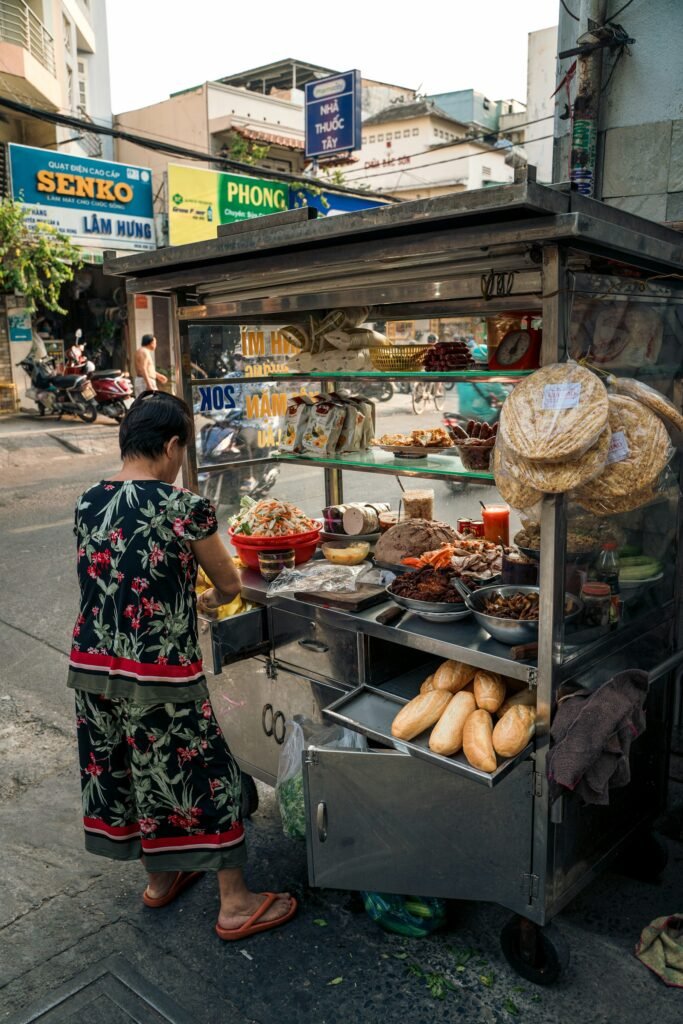
Many travelers arrive worried about street food and then spend the trip in hotel restaurants — missing the best part of Vietnam. Most stomach trouble does not come from street food itself but from choosing the wrong place, or eating everything at once on day one. This guide gives you a 30-second check you can do before you sit down anywhere.
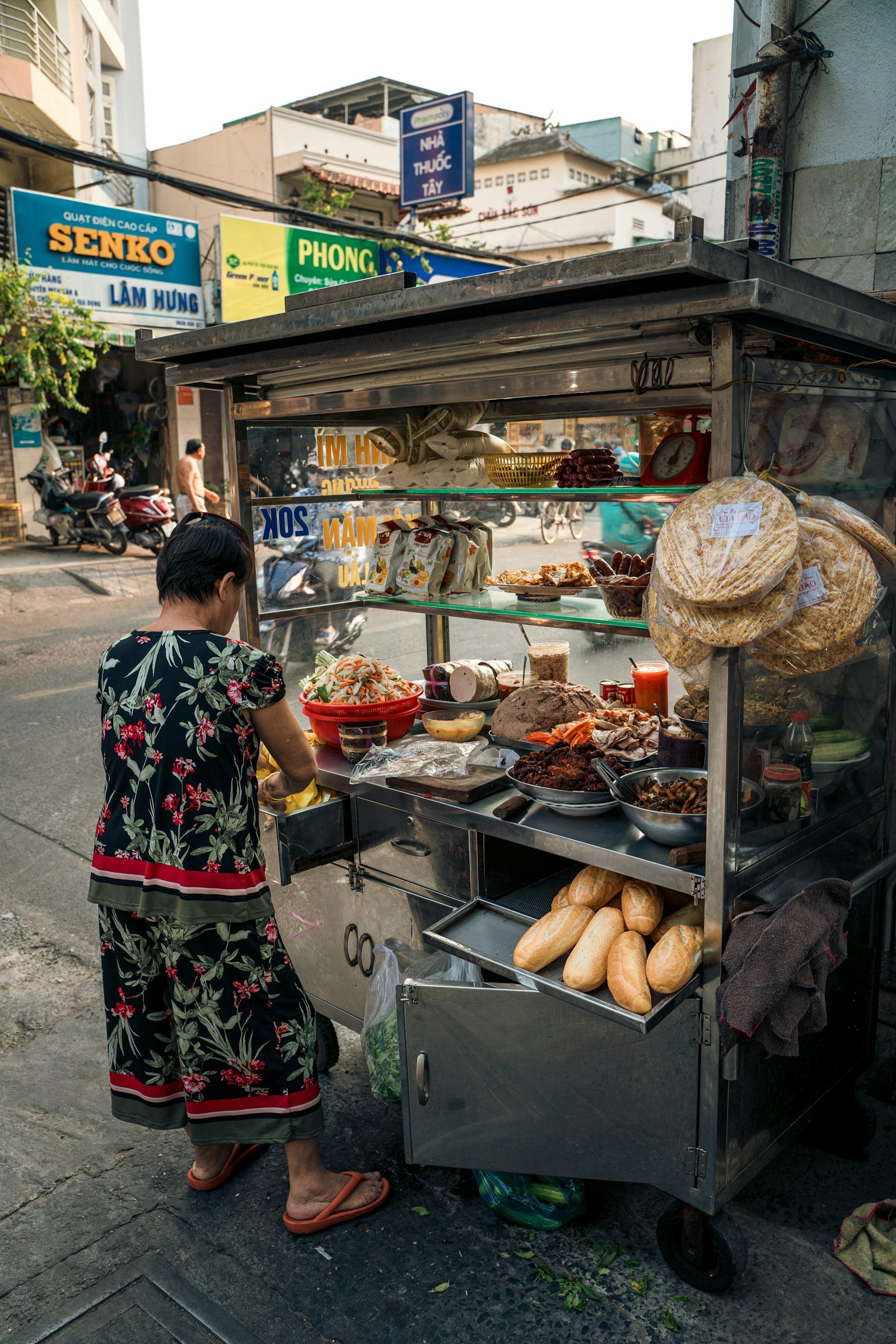
The 30-second check
✔ Locals eating there — especially families and office workers
✔ Food cooked hot in front of you, not sitting out lukewarm
✔ A short menu — places that do one dish do it fresh, all day
✔ Fast turnover — ingredients do not have time to sit
✔ Clean-ish surroundings — not spotless, but tidy
✔ Raw meat and seafood kept on ice or in a cool box
If a stall passes most of these, sit down and enjoy it. If it is empty at lunchtime, there is usually a reason.
Common worries, honestly answered
Is the ice safe?
In cafés and restaurants in cities, ice usually comes from factories that use purified water — the cylindrical ice with a hole in the middle is a good sign. If you are very cautious, or in a remote area, skip it for the first few days.
What about the fresh herbs?
Herbs and salad leaves are washed in tap water, which is where sensitive stomachs most often have trouble. Busy places wash and replace them constantly. If you are nervous, add herbs only to hot soup, where the heat helps.
Seafood?
Seafood is excellent on the coast, but it is also the highest-risk choice. Eat it where it is kept alive or on ice, and cooked fully. Avoid raw shellfish unless you trust the place completely.
Fruit?
Fruit you peel yourself (mango, banana, dragon fruit, mangosteen) is the safest. Pre-cut fruit from a cart is usually fine at busy spots, but it is a bigger gamble on a hot afternoon.
Tap water?
Do not drink it. Use bottled or filtered water, even for brushing your teeth if your stomach is sensitive. Free iced tea at restaurants is made with boiled water.
Ease in gently
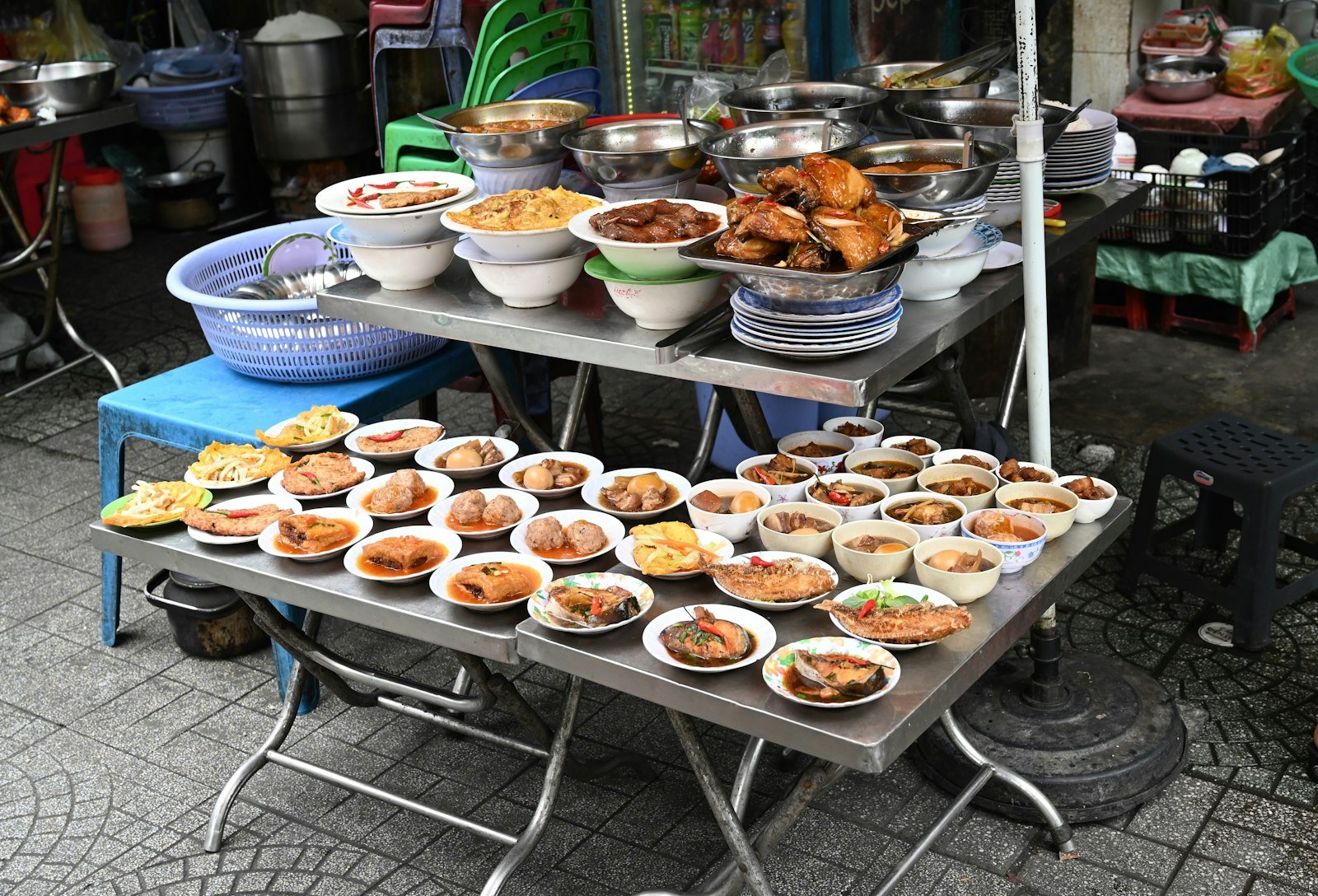
- For the first two or three days, stick to hot, cooked dishes: phở, bún, cơm, bánh mì.
- Add salads, raw herbs, seafood and fresh juices once your stomach has adjusted.
- Do not mix too many rich, oily or very spicy dishes on day one.
If your stomach does go wrong
- Most cases are mild and pass in a day or two. Rest, drink plenty of water and rehydration salts, and eat plain food like rice soup (cháo).
- Pharmacies (nhà thuốc) are everywhere and sell oral rehydration salts. Pharmacists in cities often speak some English.
- See a doctor if you have a high fever, blood in your stool, severe pain, or if it lasts more than a couple of days. Private international clinics in big cities are good.
- This is one reason travel insurance with medical cover is worth having.
What to try first
Start with the classics that are always cooked hot: phở, bún chả, cơm tấm and bánh mì. Then branch out region by region with our Vietnamese food guide. And to make sure you pay a fair price, check our local prices page.
READY TO EAT YOUR WAY AROUND VIETNAM?
Check your visa first
Before you book that food trip, make sure you know what your passport needs to enter Vietnam.
Read our visa guide →